
Somehow it’s autumn, and I don’t know where 2019 went. Or rather, I know where it went, I just don’t want to believe it’s almost over. This year has passed by in a montage of airplane windows, mountain views, sunset walks, 6am meetings, indulgent dinners, countless beers, and yes- a number of books enjoyed from my couch, a park bench, and hotel rooms all over the world. But now it’s fall- my favorite season full of all the best things in life: cozy sweaters, apple cider, pumpkin beer, ankle boots, colorful leaves, and red wine. Keeping in the spirit of all my favorite things, I’m sharing the top ten books that I’ve read so far in 2019 (and a few honorable mentions because I’m incapable of limiting myself).
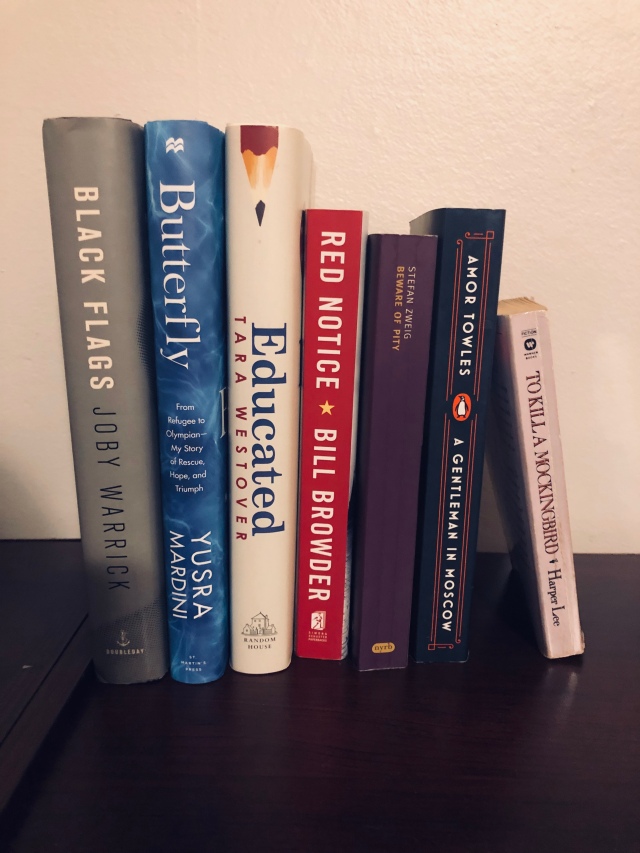
- A Gentleman in Moscow by Amor Towles
This book was on my radar for a long time, and I finally read it in July. Months later, I still feel haunted by this novel. The story and characters have stayed with me, I can’t shake them from my head. Much of this book took place in the confines of one hotel in Moscow, but the themes and emotions it inspired go far beyond building walls and the pages that contained them.
- Silver Linings Playbook by Matthew Quick
On a rainy Friday night in March I treated myself to a Bradley Cooper movie marathon, and Silver Linings Playbook was part of the lineup. Watching the movie again reminded me of how much I enjoyed the book, and so I decided to reread it. It’s a beautiful story that explores relationships and mental illness; it’s equal parts endearing, heart-wrenching, and at times comical. Pat, the main character, is so engaging that you can’t help but root for him to succeed, even if you know what he’s doing is ill-fated. (And, of course, it doesn’t hurt to have a certain attractive, blue-eyed actor as the mental image of the main character.)
- Red Notice by Bill Browder
Another book that haunted me, but this one is a true story. It’s a combination of high-stakes business, international law, Russian politics, and ultimately the global fight for justice for a man wrongfully imprisoned and killed. The events in this memoir read like a James Bond novel, and it was sobering to remember that it was all real. This was also one of the first nonfiction books that I’ve read that has mainly taken place during my lifetime, and it was disturbing to picture where I was and what I was doing at the time of some of the more horrific events in the book.
- Beware of Pity by Stefan Zweig
This book started out slow for me, but once I was hooked I couldn’t put it down. After an embarrassing first encounter with a crippled girl, a young lieutenant takes pity on her and begins a friendship. She misinterprets his interest as romance, and he plays along to keep her happy and in good health. His actions are kindhearted in intent but cruel in practice, and they get worse as he finds himself more and more entangled with her family. This was a brilliant exploration of compassion and human nature set against the backdrop of pre-World War I Austria-Hungary.
- Butterfly by Yusra Mardini
This was a moving memoir, beautiful in its simple and direct style but heartbreaking in the events described. Yusra tells the story of her childhood in Syria, and her dreams of becoming an Olympic swimmer. As she enters her teens she describes the gradual yet devastating way that war took over her normal life, and how her family made the unimaginable decision to flee to Germany. Their journey was difficult, terrifying, exhausting, and very nearly fatal. As Yusra goes on to eventually compete in the 2016 Olympics on the refugee team, she reflects on what it means to be a refugee and have that word thrust upon you by a world that seems determined to use it against you.
- To Kill a Mockingbird by Harper Lee
Rereading To Kill a Mockingbird always feels a little bit like going home. I love Scout as a character, she reminds me a little of myself when I was younger. The story is so familiar to me yet it never seems to bore me. Scout’s innocent perspective of a very mature and traumatizing situation not only makes Tom Robinson’s trial more “palatable” to read but it brings out the true injustice and unfairness of the case.
- The Girl with the Dragon Tattoo by Stieg Larsson
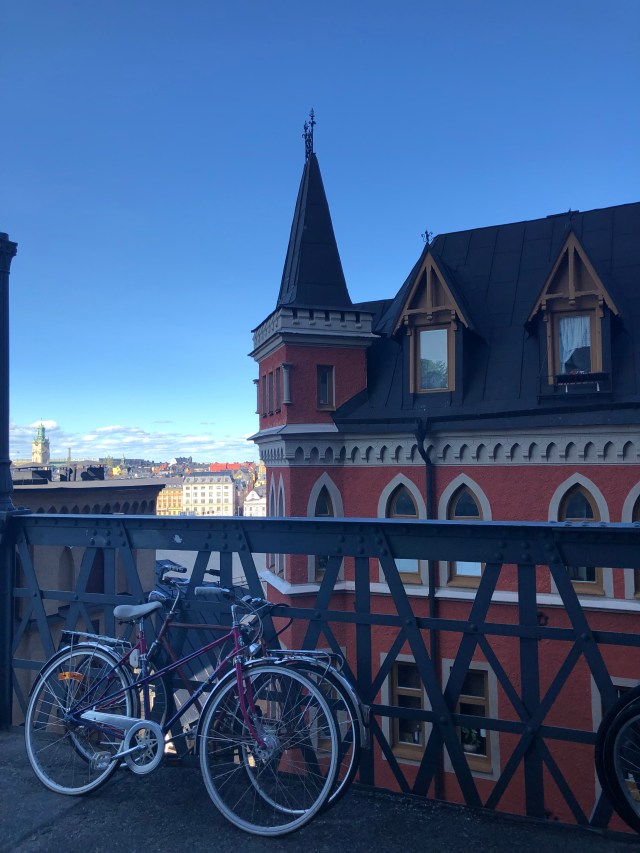
I’ve loved this book since I first read it in 2012, and this year I had the wonderful experience of rereading it while in Stockholm, staying in an Airbnb just a few streets away from Blomkvist’s address! Never having been to Stockholm before I didn’t realize how much of the city makes it into the books, but within a few hours of walking around Södermalm all I wanted to do was read this book and find the real-life locations mentioned throughout. Thanks to my local library and the Libby library app I was able to satisfy this craving and virtually borrow the book from nearly 5000 miles away- technology is great!
- In the Heart of the Sea by Nathaniel Philbrick
This is the better, real-life version of Moby Dick. It’s more exciting, less wordy, and based on the disaster of the whale ship Essex that inspired the novel. It’s an amazing tale of survival, and an interesting piece on early American history. I expected it to be dry and boring, but I was captivated. It had my book club talking for months!
- Educated by Tara Westover
This was an eye-opening memoir that made me feel truly grateful for my own family, upbringing, and opportunities for education. Growing up off the grid in rural Idaho, Tara Westover didn’t set foot in a classroom until she was seventeen. It was amazing to read of how she came to grips with her family and the unconventional way that she grew up while also accepting that she has every right to the education and accomplishments she has earned thus far in her life.
- Into Thin Air by Jon Krakauer
This is unofficial required reading for anyone interested in mountaineering and travel. This is Krakauer’s account of the 1996 disaster on Mt. Everest that claimed eight lives, and until 2014 was the deadliest year on the mountain. I think it’s brilliant how he captured the essence and personalities of his fellow climbers while also showcasing the physical, mental, and emotional toll that summiting Everest entails. It was clear that he was still reeling from the disaster as he wrote the book, and I appreciated his honesty in admitting his mistakes and regrets.
Honorable mentions…
Miracle Creek by Angie Kim
This is Angie Kim’s debut novel, and I was very impressed with it. She really brought the characters to life and made them real people with believable thoughts and actions. I can’t say I’m happy with how the novel ended, but I loved the way the story was told.
Black Flags: The Rise of ISIS by Joby Warrick
This was another eye-opener for me. Despite all the CNN that my mom watched when I was a teen, I’m disappointed to admit that I didn’t know a lot of what was discussed in this book. Warrick researches the people and events that led to the founding of ISIS. He highlights decisions and mistakes that were made for the sake of politics- in both the US and Middle East. It’s sad to look at the state of things today and wonder if the situation could be any better if only a few different choices were made.
 one happy bookworm